From Coursework to Conversations
Brandt School Life
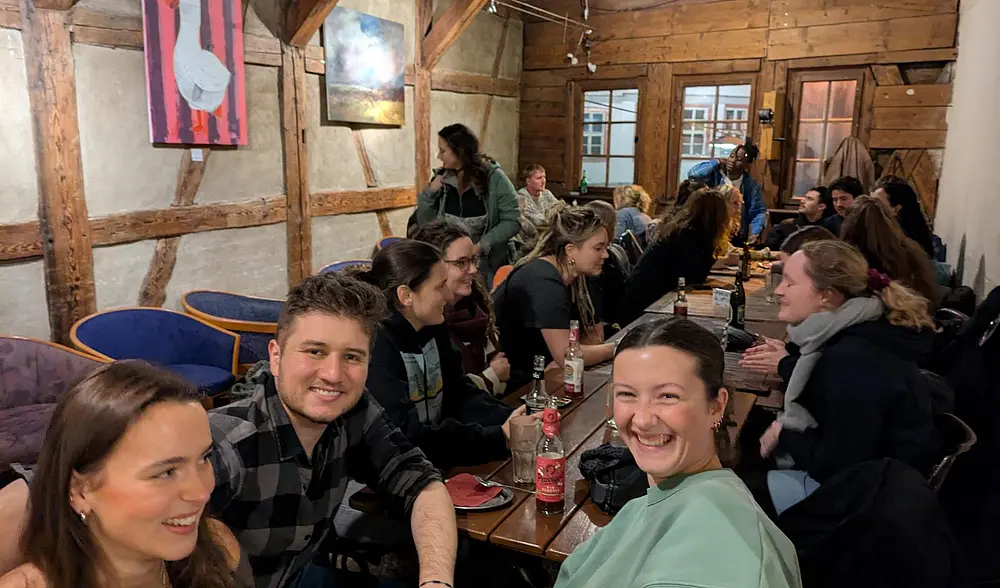
What started as an idea, a course that would bring postcolonial perspectives to life by placing students from different backgrounds in one shared learning space, is now something we experience every Wednesday. Each session serves as a meeting point among our disciplines, cultures, and lived experiences, turning the classroom into a space where theory, identity, and practice intersect. And one night at Speicher, we carried this experience beyond the walls of the university, letting our conversations spill over into laughter, shared stories, and new connections.
Strengthening Bonds on a Night Out
The Postcolonial Perspectives on Development, Peace, and Conflict: Democracy and Civil Society in Action class brings together students with different stories, cultures, and academic paths. We had been meeting each other through readings, discussions, and short exchanges before the next session starts, but the night at Speicher changed the rhythm. Without the pressure of time or assignments, we finally had the space to talk, listen, and laugh in a way that felt natural. Conversations that rarely fit into a 90-minute seminar found room to grow.
We shared our backgrounds, the places we come from, the countries that shaped us, the work we did before this program, and the reasons we chose the master’s degrees we are now pursuing. We also had the rare chance to connect with Dr. Alejandra del Pilar Ortiz-Ayala and Prof. Dr. Miriam M. Müller-Rensch on a personal level outside the classroom. A fun fact that brought the table to life was that Prof. Miriam speaks Arabic fluently and lived in Yemen. Some of the FH (Fachhochschule) students are currently learning Arabic, and the fact that one of the Brandt School students is Lebanese opened the door for a lively conversation about Prof. Miriam’s experiences in Yemen.
Some of the Brandt School students come from Latin America, and one of the FH students had spent an exchange semester in Colombia, where she formed deep connections and gained a lifelong friend. She already knew the Latin American students from class, but the night at Speicher gave her the chance to connect with them in a way that felt more personal and meaningful. They spoke about the places they loved, the moments that shaped them, and the feeling of finding familiarity far from home. That deeper connection pulled the rest of us in too, reminding us how our diverse backgrounds are not just interesting facts — they are bridges that help us understand each other in ways a classroom alone never could. We found ourselves reflecting on what it means to arrive in new places for the first time, to navigate the unexpected, and to discover parts of ourselves in unfamiliar environments.
One of the most unexpected bonds that formed was around the simple fact that almost all of us — FH students and Brandt School students alike — were new to Erfurt. Whether someone had moved from another part of Germany or arrived from a completely different country, we found ourselves sharing the same challenges: learning the city, adjusting to a new routine, navigating German bureaucracy (a challenge for everyone), and trying to build a life from scratch. What started as casual comments about housing, trams, or the cold suddenly turned into deeper conversations about adaptation, loneliness, excitement, and the strange mix of fear and curiosity that comes with moving to a new place. We compared our first impressions of Erfurt, our struggles with language, and the small victories that made us feel a little more at home. These exchanges were honest but straightforward, and they created a sense of connection that rarely fits into a classroom setting.
Speicher gave us a big part of the upstairs area that night and one big table where everyone could sit together, which changed the dynamic. Instead of scattering across small groups, we were suddenly part of one shared conversation. The mood was soft and calm, and the space's industrial design created a relaxed, open feeling that made it easy to settle in. The combination of warm lighting, exposed materials, and the quiet hum of the bar downstairs made the room feel welcoming in a way that classrooms rarely do. People who had barely exchanged a few words in previous weeks found themselves talking freely, laughing, and opening up. The space didn’t just host the evening — it shaped it.
As the evening came to an end and we stepped out into the cold night, many of us left with more than just good memories. The conversations we had at Speicher stayed with us — thoughts about where we come from, where we want to go, and how different our paths have been, yet how easily they intersected over one shared table. Some of us reflected on the courage it takes to start over in a new city or country, while others kept thinking about the stories we heard from classmates who have lived through completely different realities. It became clear that the course isn’t only about theories or case studies; it is also about learning to understand each other, to listen across cultures, and to recognize the value of every lived experience in the room. By the time we returned to our Wednesday seminar session, something in the room felt subtly changed. We recognized familiar faces not just as classmates but as people whose stories we had heard, whose journeys we had begun to understand. Walking back into the seminar, we carried with us a stronger sense of community, a bit more trust, and the feeling that this course is shaped not only by the readings and discussions, but by the relationships we build along the way.
About the Author
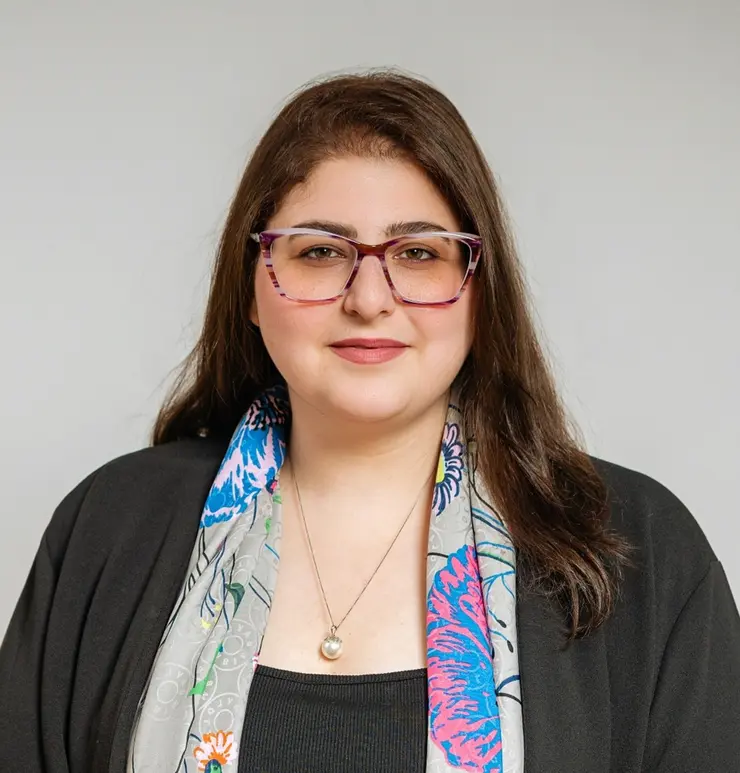
Nour Alwan is an MPP student focusing on peace, conflict and transformative justice.
~ The views represented in this blog post do not necessarily represent those of the Brandt School. ~
![[Translate to English:] Facebook Icon](/fileadmin/SocialMediaIcons/iconfinder_06-facebook_104498.svg "Fakebookseite der Staatswissenschaftlichen Fakultät")
![[Translate to English:] Youtube Icon](/fileadmin/SocialMediaIcons/iconfinder_18-youtube_104482.svg)


![[Translate to English:] facebook icon](/fileadmin/SocialMediaIcons/iconfinder_06-facebook_white.svg)
![[Translate to English:] twitter icon](/fileadmin/SocialMediaIcons/iconfinder_03-twitter_white.svg)
![[Translate to English:] instagram icon](/fileadmin/SocialMediaIcons/iconfinder_38-instagram_white.svg)
![[Translate to English:] YouTube icon](/fileadmin/SocialMediaIcons/iconfinder_18-youtube_white.svg)
![[Translate to English:] xing icon](/fileadmin/SocialMediaIcons/iconfinder_xing_white.svg)