Returning to the Country of Birth: Rethinking Reintegration Through a Life Course Approach
Alumni & Career
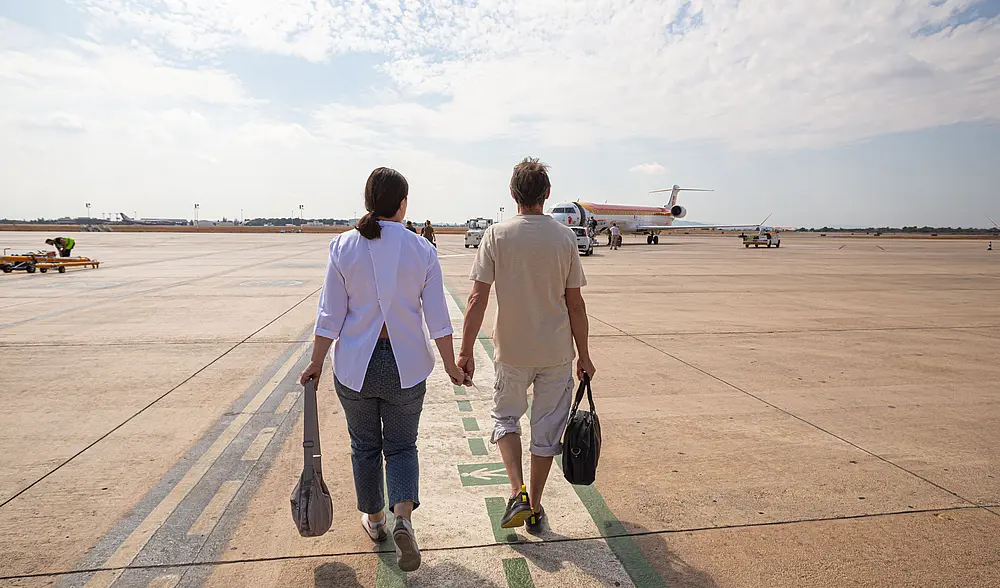
Our reflections on migration are often shaped by conversations outside formal academic spaces. Through our engagement with migrant and diaspora communities on social media, at community events, and through informal conversations, we regularly encounter topics that raise wider issues about migration. One such discussion raised the question of returning home.
"Do we have members here who are determined to return permanently to their countries of birth before or immediately after retirement? Are they planning towards that or waiting until the right time?" Anonymous Person
The Focus on Departure
We talk about why people leave, their challenges and their contributions to destination countries. However, the other part of the migration journey that receives far less attention is return. For many migrants who have spent decades abroad, the question is whether they can build a meaningful life there again. Some may return before retirement, others after retirement, while some may remain abroad. These choices are valid. In our view, the important issue is not whether people return or stay. What matters is whether the decision is made consciously and, where circumstances allow, with adequate preparation.
Reintegration Begins Before Return
Answers from members to the question raised by the anonymous member reflected a common reality. Many desire to return, but fewer have a structured plan for what that return would look like. Some feel they have many years ahead, while others believe there will always be time to make the necessary arrangements. This raises an important point for migrants. Returning is not simply the opposite of migration, but another phase.
The International Organization for Migration (IOM) defines reintegration as a process that enables returnees to participate sustainably in the social, cultural, economic and political life of their communities. Reintegration is not simply physical return; it involves rebuilding a stable, meaningful life. Return should be viewed as another transition within the migration journey. One mistake one can make is waiting until the final years before retirement to begin thinking about return. However, not every return follows a carefully planned or linear path. Decisions can emerge suddenly because of family circumstances, health, employment or changing priorities. Life does not always follow our plans, and preparation should not be mistaken for certainty. Even well-prepared returnees may encounter unexpected economic, social or psychosocial challenges. Reintegration is therefore a dynamic process. Many migrants return to countries they remember from years ago, but countries change, or sometimes remain stagnant. Economies, institutions, social structures and community expectations also change. Migrants themselves also change through their experiences abroad. A successful return often begins years earlier. A migrant preparing for return should ask:
What kind of life do I want when I return, and where will I live? Who will I rely on, and how will I maintain my social networks? How will I access healthcare and maintain a stable source of income, especially as I grow older? What skills, experience or networks can I use, and what role do I want to play in my community? How well do I understand the changes in my country of origin, and are my expectations still realistic? Finally, if things do not go as planned, what alternatives or support systems will I have?
These questions can turn return from desire into a realistic plan.
Case Reflection: Prof. Dr. Joseph Yorke’s Life Course Journey of Migration, Return and Reintegration
We share the return experience of one author, Prof. Dr. Joseph Yorke, whose journey reflects many issues discussed here. Prof. Yorke studied Medicine at Kharkiv State Medical University in Ukraine between 1992 and 1999, then returned to Ghana to begin his medical career. He later moved to Germany for specialist training in General Surgery at Ludwig Maximilian University (LMU) Klinikum Munich, between 2002 and 2006. Despite the professional opportunities ahead, returning to Ghana had always been part of his journey. The decision was difficult, with little external guidance, but he remained committed to returning. Upon his return to Ghana, he resumed clinical practice at Komfo Anokye Teaching Hospital in Kumasi. In 2014, he began discussions on establishing Legacy Hospital, driven by a vision to improve access to quality healthcare and create opportunities within his community. Today, the hospital employs healthcare and non-healthcare professionals and provides healthcare services in Asokore Mampong Municipality, the Ashanti Region and beyond.
Prof. Yorke acknowledges that the return was challenging and that reintegration did not unfold exactly as planned. Like many returnees, he realised that qualifications and international experience alone do not automatically make the transition easier. Returning also meant adjusting to the same or a changed system, rebuilding professional networks and learning to navigate familiar surroundings that had changed over time. There were practical challenges and institutional realities. Looking back, he considers these challenges part of reintegration rather than reasons to question the decision.
Is It Only About Preparing Financially?
Financial preparation often dominates discussions about return migration. Savings, pensions, property and investments are important. However, financial security alone does not guarantee successful reintegration. The IOM framework highlights three dimensions: economic, social and psychosocial reintegration. Economic reintegration concerns sustainable livelihoods. Social reintegration concerns relationships, participation and access to services. Psychosocial reintegration concerns identity, belonging and wellbeing. A person may return with financial resources but still struggle with belonging and adaptation. After many years abroad, routines, expectations and relationships may have changed. Even family relationships may have changed in unexpected ways. Return planning should therefore also consider healthcare, social networks, community involvement and personal purpose.
How About Testing the Decision?
We recommend that prospective returnees maintain regular contact with their home country of origin before making a permanent return. Annual visits can play a role. These visits should not only be for celebrations or holidays. They can provide opportunities to observe changes, rebuild networks and understand how society has evolved. Where circumstances permit, a longer stay can provide greater insight. Three to six months of ordinary life can reveal things a short holiday may not. It allows migrants to experience everyday realities, access services, understand local changes and rebuild social connections. Such experiences reveal opportunities and challenges. They may strengthen the decision or show that more preparation is needed. Either outcome is valuable because the goal is not to return at any cost. The aim is to make an informed decision.
Migration as a Lifelong Journey
Migration is about identity, belonging and changing life circumstances, not simply movement or departure. For some migrants, the future remains connected to their country of residence, while for others, returning home becomes an important part of their life journey. Neither decision should be viewed simply as success or failure. The Life Course Approach developed by Glen H. Elder Jr. offers a useful perspective, viewing migration as one transition within a longer journey shaped by choices, relationships, opportunities and constraints. Since every migrant’s pathway is different, there is no single formula for return. We hope readers will be guided by these questions in their return plans.
~ The views represented in this blog post do not necessarily represent those of the Brandt School. ~
References
Elder, G. H. Jr. (1994). Time, Human Agency, and Social Change: Perspectives on the Life course. Social Psychology Quarterly, 57(1), 4–15. https://doi.org/10.2307/2786971
Frontex. (n.d.). Reintegration assistance. https://www.frontex.europa.eu/return-and-reintegration/reintegration-assistance/
German Institute for Development Evaluation. (2026, March 17). Reintegration following return to the country of origin: DEval evaluation recommends a reorientation of support. https://www.deval.org/en/about-us/news/news/detail/reintegration-following-return-to-the-country-of-origin
International Organization for Migration. (2019). Reintegration handbook: Practical guidance on the design, implementation and monitoring of reintegration assistance. https://publications.iom.int/books/reintegration-handbook-practical-guidance-design-implementation-and-monitoring-reintegration
International Organization for Migration. (n.d.). Understanding reintegration. https://reintegrationhb.iom.int/module/understanding-reintegration
Le Coz, C., & Sohst, R. (2026, June 23). The future of reintegration is a key missing piece in Europe’s focus on returns. Migration Policy Institute. https://www.migrationpolicy.org/mpi-europe/commentary/future-reintegration-key-missing-piece-europes-focus-returns
About the Authors
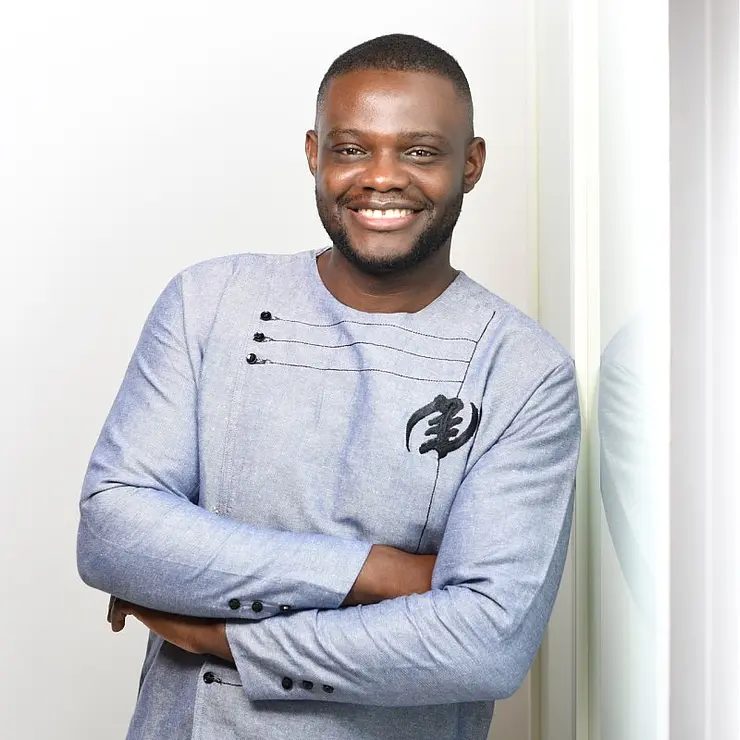
Stephen Tete Mantey is an alumnus of the Willy Brandt School of Public Policy, Germany, and holds a Master of Science in Business Administration from Kwame Nkrumah University of Science and Technology, Ghana. His interests include Human Migration, Job-Market, Social and Health Policies. He served in several roles as an administrator, project coordinator, and operations officer in past years. Co-founder of Legacy Hospital Ghana Limited, currently serving as a Goodwill External Advisor (Voluntary), providing strategic guidance on the hospital’s policies, programs, and projects.
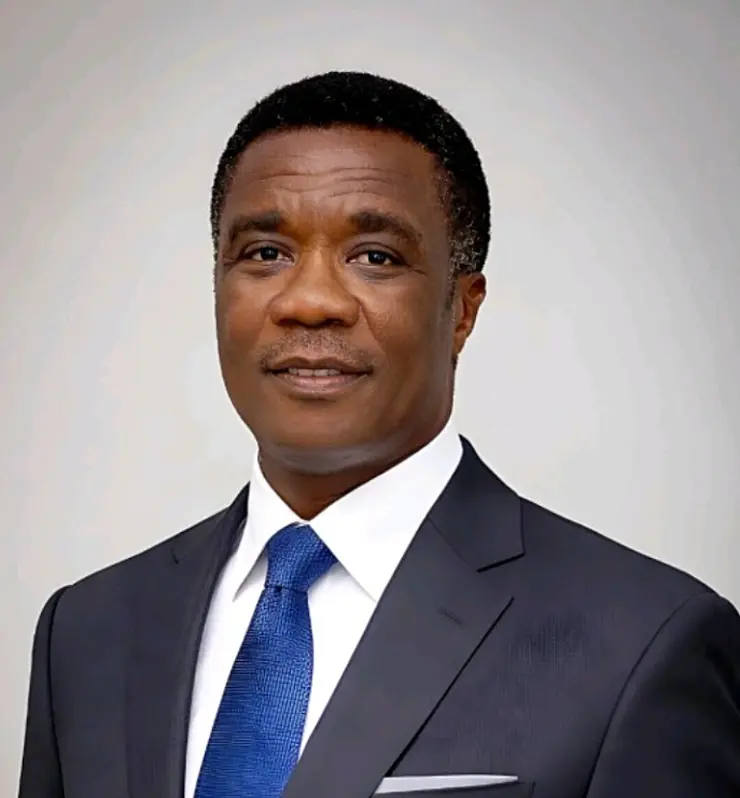
Prof. Dr. Joseph Yorke is Professor of General Surgery at KATH and KNUST, Ghana. He studied Medicine in Ukraine (1992–1999) and completed specialist training in General Surgery at LMU Munich, Germany (2002–2006). He is Co-Owner and CEO of Legacy Hospital Ghana Limited. Following his return to Ghana, he served, combining clinical practice, research, surgical education, and community service. Recently retired, he now contributes his experience to various social discussions.
![[Translate to English:] Facebook Icon](/fileadmin/SocialMediaIcons/iconfinder_06-facebook_104498.svg "Fakebookseite der Staatswissenschaftlichen Fakultät")
![[Translate to English:] Youtube Icon](/fileadmin/SocialMediaIcons/iconfinder_18-youtube_104482.svg)


![[Translate to English:] facebook icon](/fileadmin/SocialMediaIcons/iconfinder_06-facebook_white.svg)
![[Translate to English:] twitter icon](/fileadmin/SocialMediaIcons/iconfinder_03-twitter_white.svg)
![[Translate to English:] instagram icon](/fileadmin/SocialMediaIcons/iconfinder_38-instagram_white.svg)
![[Translate to English:] YouTube icon](/fileadmin/SocialMediaIcons/iconfinder_18-youtube_white.svg)
![[Translate to English:] xing icon](/fileadmin/SocialMediaIcons/iconfinder_xing_white.svg)