Understanding police decision-making in context: Fieldwork reflections from Colombia
Research and PhD
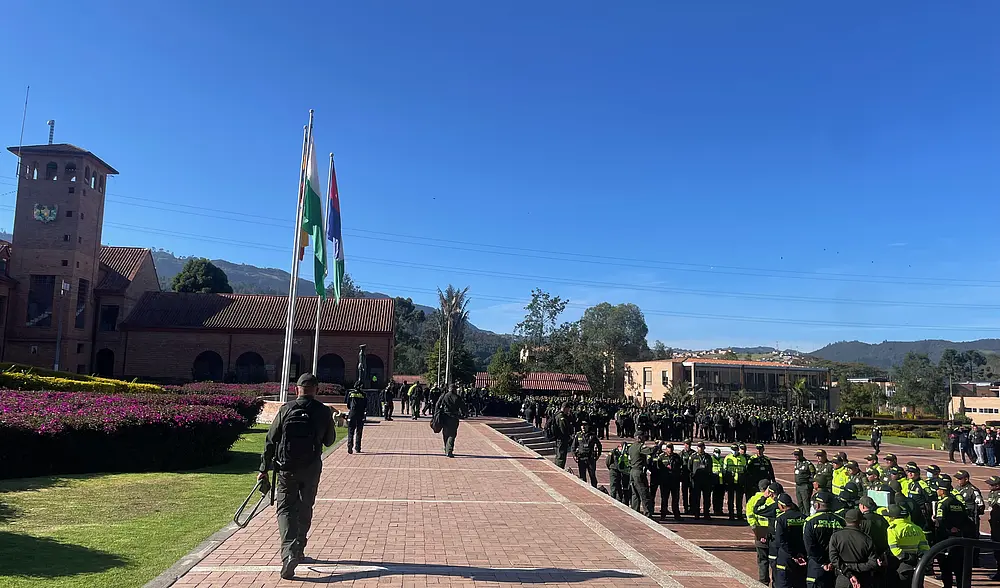
How do emotions, perceptions, and contextual experiences shape how police officers make decisions when interacting with civilians?
This question guided my recent fieldwork in Colombia as part of a research project focused on understanding the socio-psychological dimensions of police work. The project seeks to better understand how everyday decision-making unfolds in complex and often uncertain environments, particularly in relation to the police’s role in guaranteeing protection to all civilians.
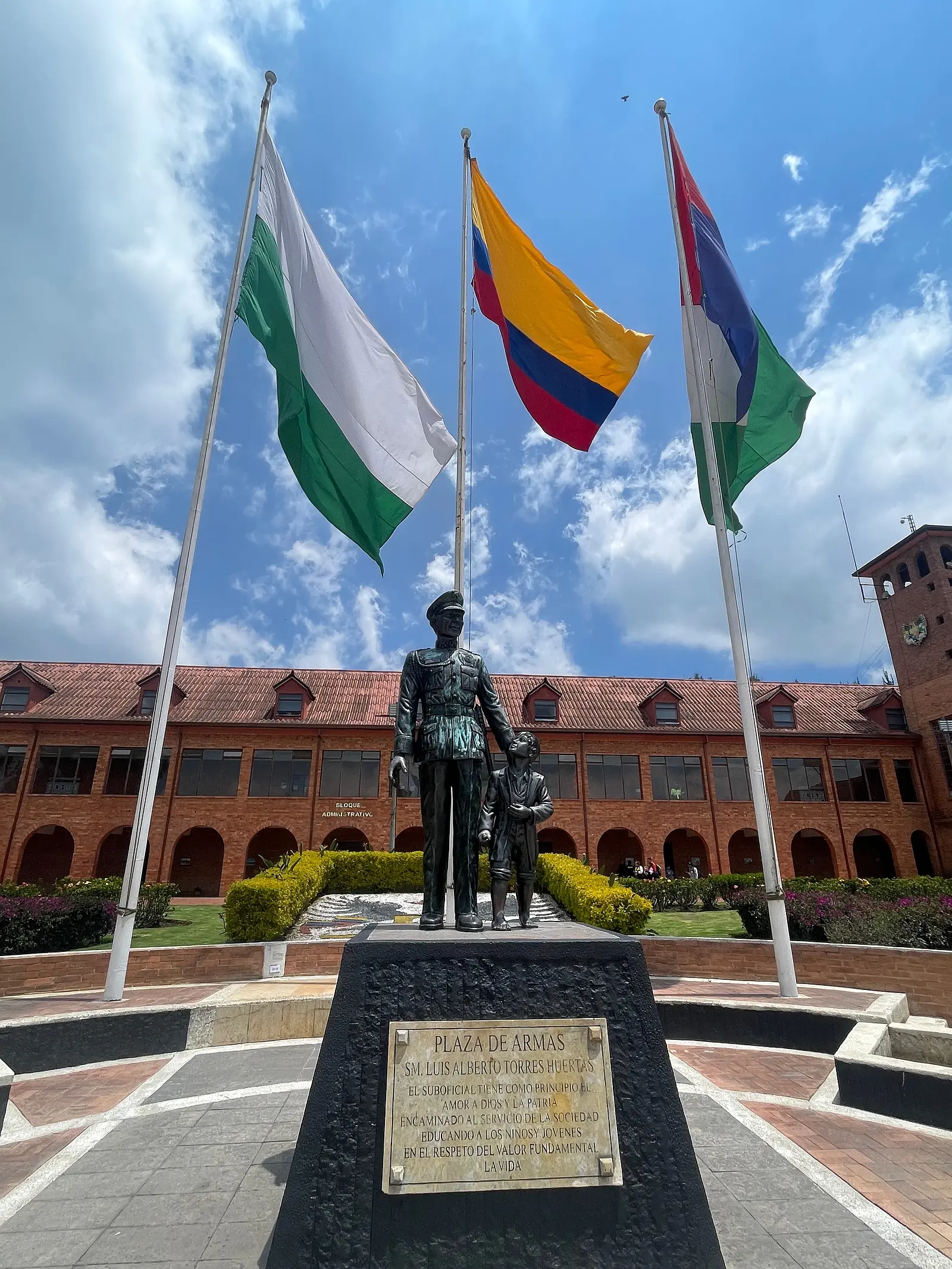
This research would not have been possible without the support of key institutions within the Colombian National Police, including the Escuela de Suboficiales y Nivel Ejecutivo (ESJIM; School of Non-Commissioned Officers and Executive-Level Police Personnel), Unidad Policial para la Edificación de la Paz (UNIPEP; Police Unit for Peacebuilding), the Dirección de Educación Policial (DIEPO; Police Education Directorate)—which oversees the institutional education system—and the Escuela de Postgrados de Policía “Miguel Antonio Lleras Pizarro” (ESPOL; Police Graduate School), responsible for advanced and specialized training of police personnel, as well as the Human Rights Commissioner for the Police.
Police collaboration made it possible to collect empirical data on the challenges and experiences of police work across different regions of the country. This engagement also reflects the institutions’ broader commitment to processes of transformation, professionalization, and openness. Furthermore, their willingness to collaborate with academic research demonstrates an intention to foster reflexivity, improve institutional practices, and engage in evidence-based discussions that can strengthen democratic policing.
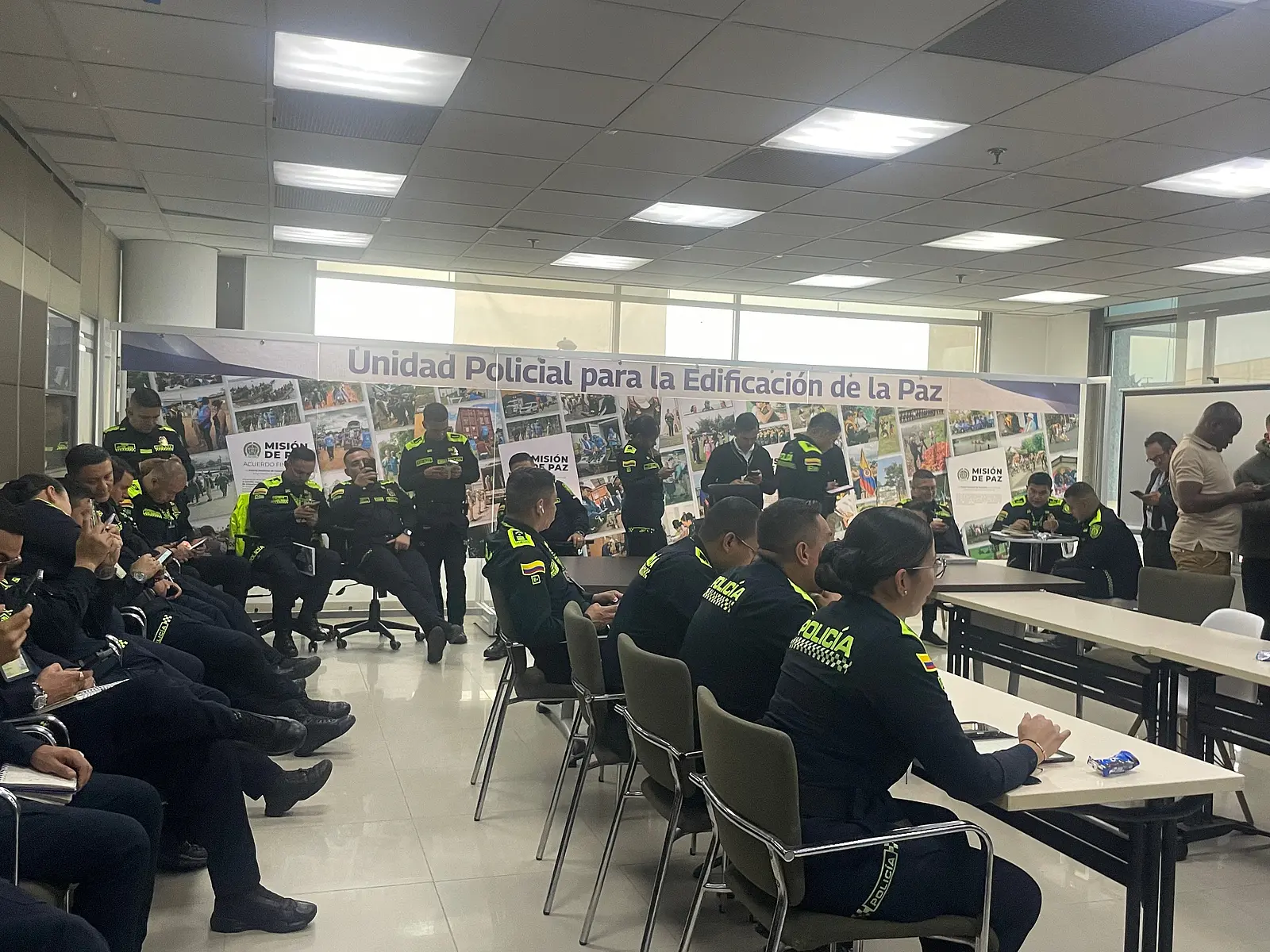
During February 2026, I implemented a survey of roughly 900 police officers to better understand how the dynamics surrounding individual police officers’ decision-making processes operate. The project incorporates a wide array of questions about attitudes towards citizens under different settings. This approach allows researchers to move beyond abstract theories and observe how decision-making processes unfold when officers are confronted with complex situations involving citizens.
The project also examines ongoing efforts to transform the Colombian National Police. In recent years, the institution has implemented a series of reforms aimed at strengthening professionalism, promoting respect for human rights, and encouraging a more service-oriented model of policing. These reforms include updated training programs on the appropriate use of force, the protection of civilian rights, and the role of the police within a democratic society.
The project investigates how these changes are experienced from the perspective of police officers. It asks whether and how new forms of training and institutional messaging shape officers’ attitudes, their perceptions of citizens, and their everyday practices in the field. The study seeks to provide a more comprehensive understanding of how policing evolves in post-conflict and democratic contexts alike.
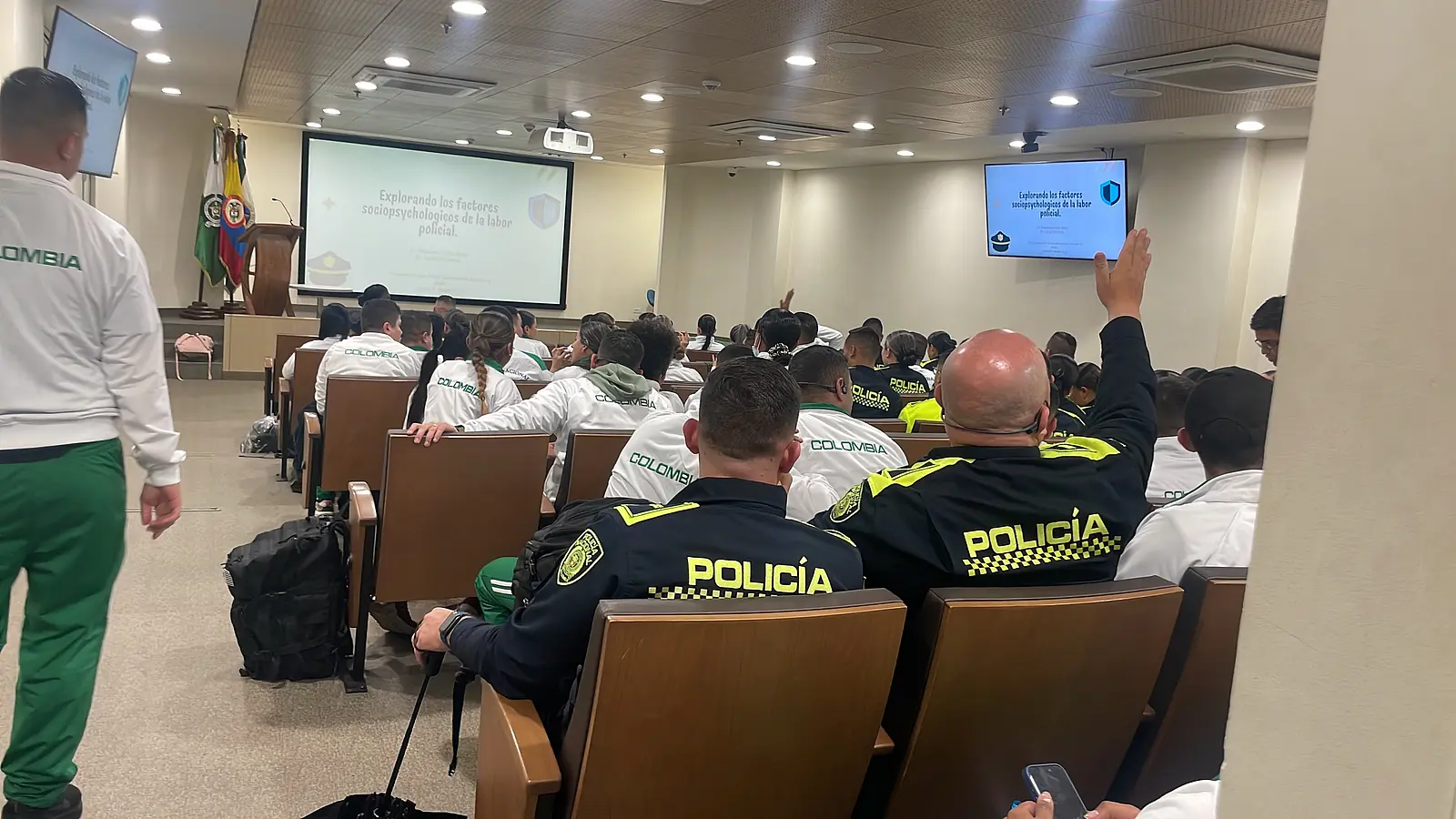
The field visit marked the completion of the data collection phase of the project, which is funded by the Folke Bernadotte Academy. The next phase will focus on analyzing the data and identifying patterns that can contribute both to academic debates and to practical discussions on policing and professional development. Ultimately, strengthening the ability of police institutions to guarantee protection requires not only policy reforms, but also a deeper understanding of the human and contextual factors that shape decision-making in everyday practice.
~ The views represented in this blog post do not necessarily represent those of the Brandt School. ~
About the Author
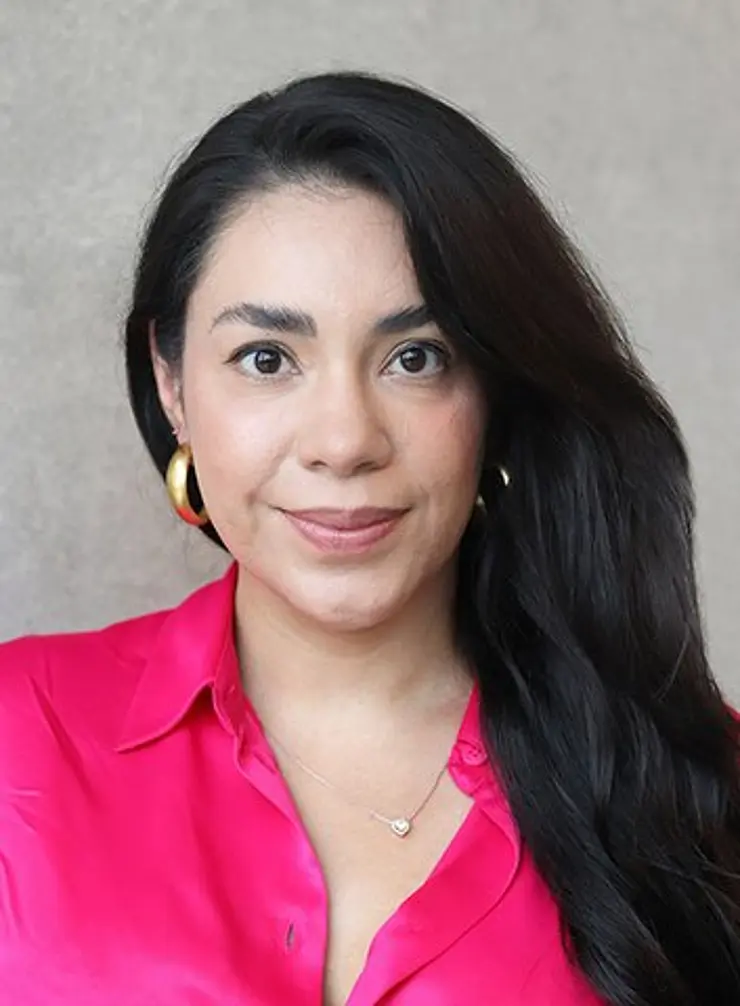
Alejandra Ortiz-Ayala, PhD is Research Associate and Head of the Conflict and Conflict Management specialization at the Willy Brandt School of Public Policy, University of Erfurt. Before coming to the Willy Brandt School, she was a Research Assistant Fellow on a participatory action research project with refugee-background young people in southern New Zealand at the School of Education of the University of Otago.
![[Translate to English:] Facebook Icon](/fileadmin/SocialMediaIcons/iconfinder_06-facebook_104498.svg "Fakebookseite der Staatswissenschaftlichen Fakultät")
![[Translate to English:] Youtube Icon](/fileadmin/SocialMediaIcons/iconfinder_18-youtube_104482.svg)


![[Translate to English:] facebook icon](/fileadmin/SocialMediaIcons/iconfinder_06-facebook_white.svg)
![[Translate to English:] twitter icon](/fileadmin/SocialMediaIcons/iconfinder_03-twitter_white.svg)
![[Translate to English:] instagram icon](/fileadmin/SocialMediaIcons/iconfinder_38-instagram_white.svg)
![[Translate to English:] YouTube icon](/fileadmin/SocialMediaIcons/iconfinder_18-youtube_white.svg)
![[Translate to English:] xing icon](/fileadmin/SocialMediaIcons/iconfinder_xing_white.svg)